


Access 3DCeram Sinto’s global network for technical ceramic parts production.


Supporting industrial projects across demanding markets.

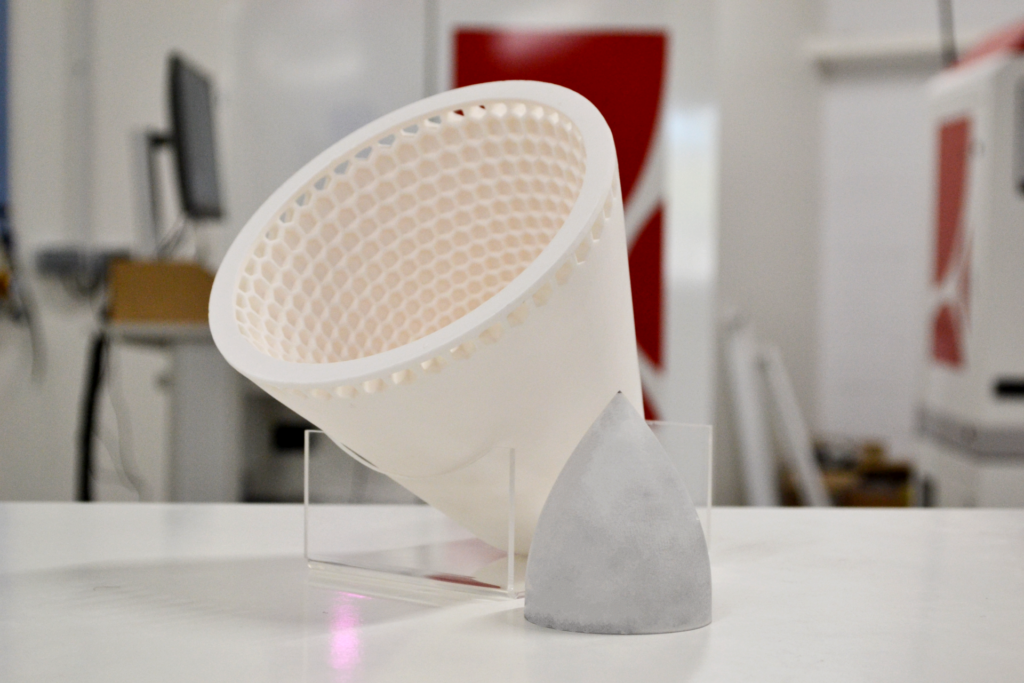
Mastering stereolithography (SLA) technology for decades.

Our services are tailored for serial ceramic production.

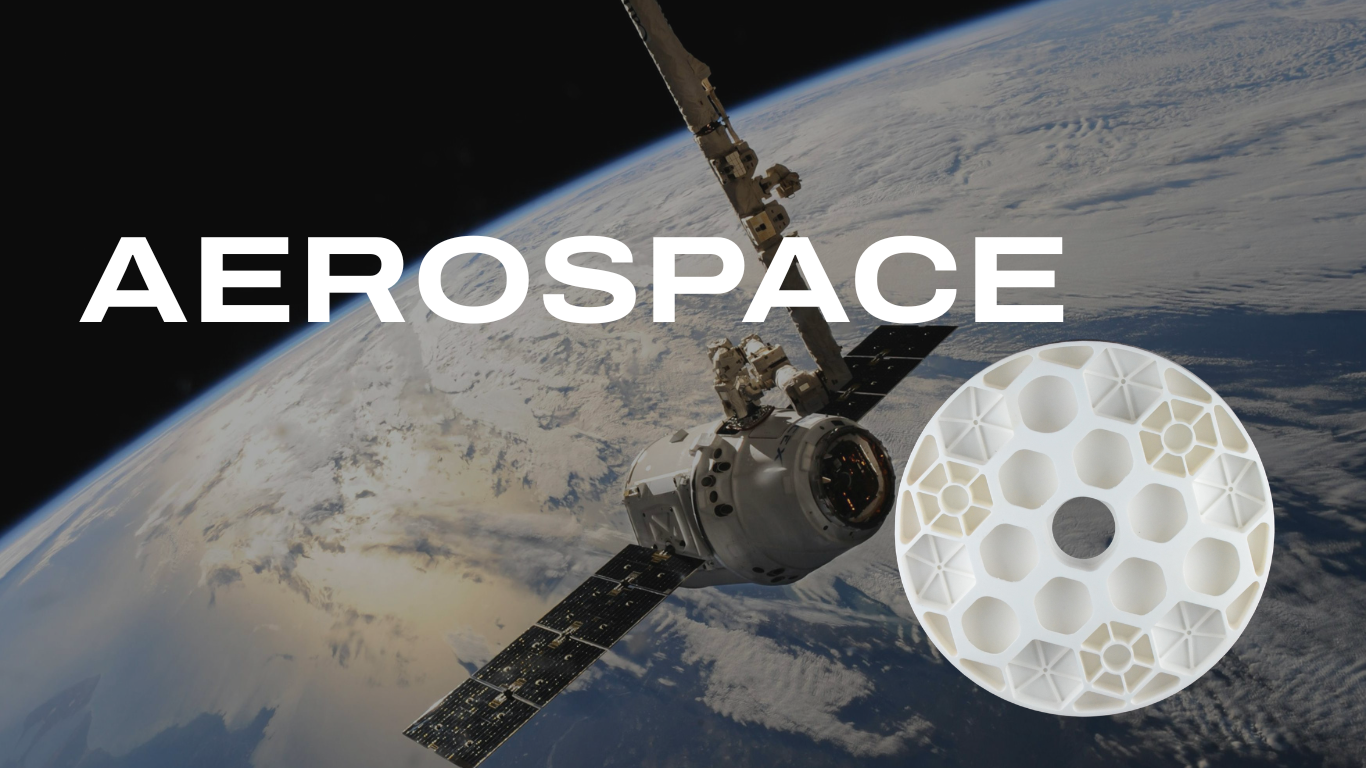
Aerospace
+

3D Printing allows:

– Complex Geometries & Miniaturization: Production of intricate lattice structures and internal cooling channels for next-generation propulsion systems. This allows for significant weight reduction while maintaining structural integrity for nano-satellites and launchers.

– Extreme Environmental Resistance: Use of high-performance technical ceramics (such as Alumina or Zirconia) that offer exceptional thermal stability, low outgassing, and resistance to radiation and vacuum conditions in Low Earth Orbit (LEO).

– Precision and Surface Quality: Achieving high accuracy and low roughness for RF components and telecommunication antennas, ensuring optimal signal transmission and mechanical reliability in harsh space environments.

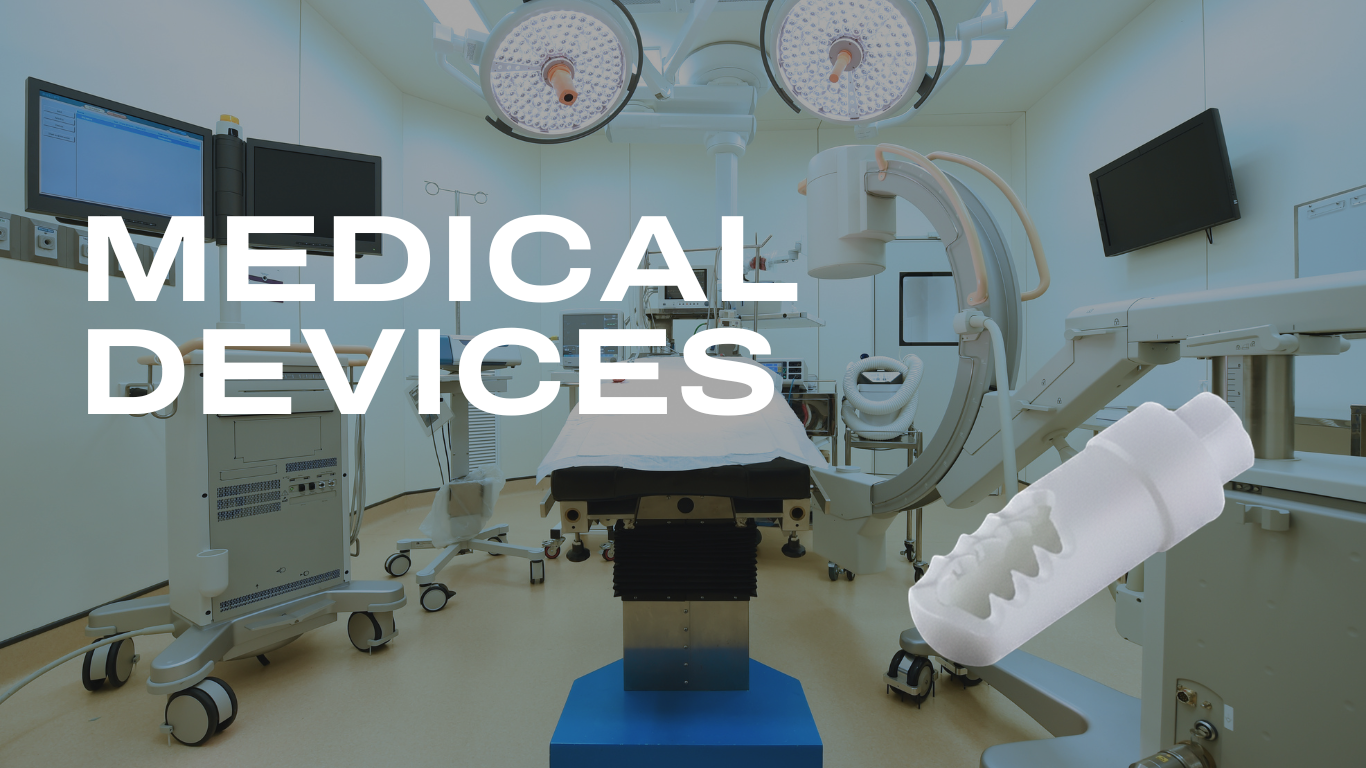
Medical Devices
+

3D printing allows:

– Patient-Specific Biocompatibility: Custom-made implants and bone substitutes using inert ceramics (Hydroxyapatite/TCP) that promote natural osseointegration and eliminate metal sensitivity risks.

– Advanced Surgical Instrumentation: Miniaturized, high-precision tools with complex internal features. Ceramic instruments provide superior wear resistance, MRI compatibility, and withstand repeated sterilization.

– Long-term Reliability: High hardness and low friction coefficients of technical ceramics ensure durable components for joint and dental restorations, minimizing wear debris and extending lifespan.

Defense
+

3D Printing allows:

– Complex Part Fabrication: Direct production of intricate components essential for defense applications, such as drone structural elements, custom armor inserts, and specialized electronic housings.

– Material Superiority: Utilization of lightweight, high-strength ceramics that offer a critical advantage in military equipment by reducing weight while maintaining extreme hardness.

– Stealth & RF Integration: Capability to design antennas and sensors with specific electromagnetic properties, allowing for better signature management and functional integration within the hardware.

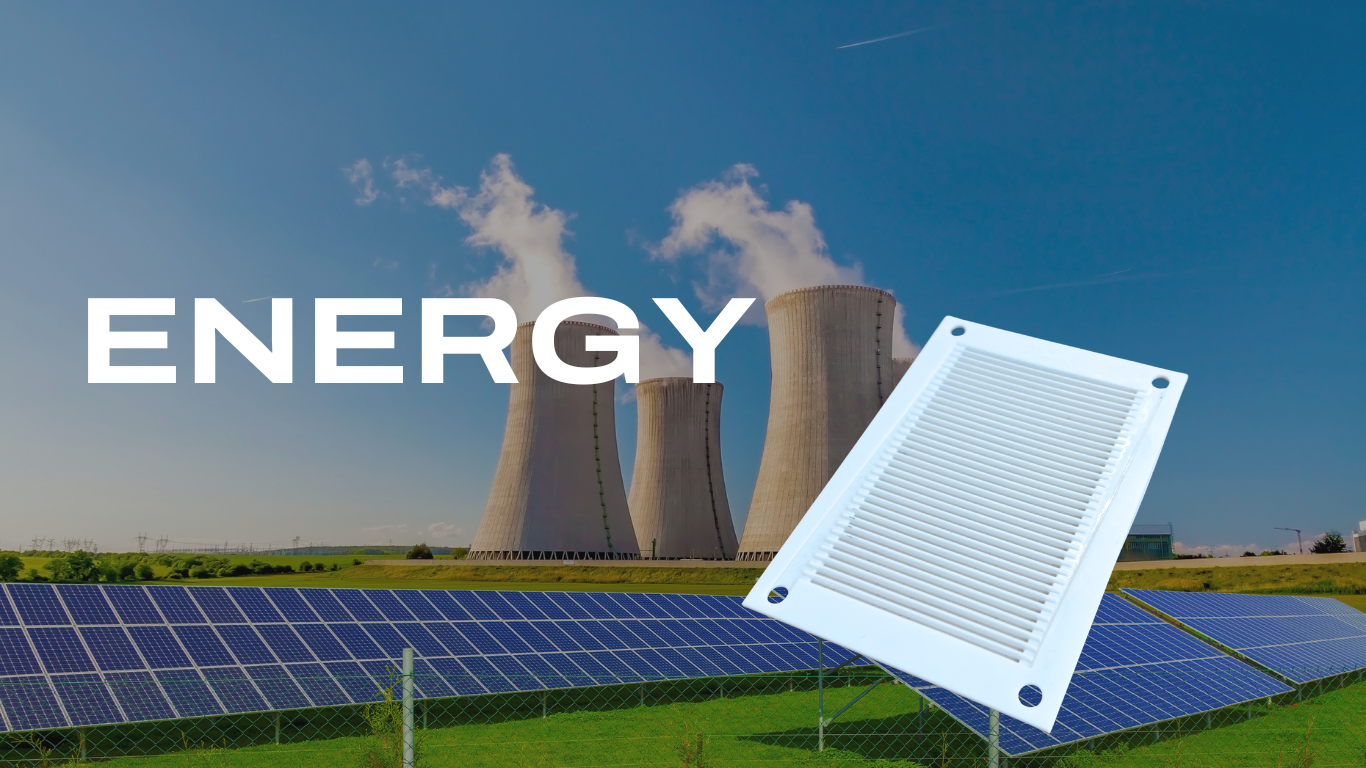
Energy
+

3D Printing allows:

– Enhanced Reaction Efficiency: Creation of complex, high-surface-area architectures for ceramic electrolytes and heat exchangers.

– Mechanical & Thermal Durability: Fabrication of components capable of withstanding extreme operating temperatures.

– System Integration & Compactness: Functionalization of parts to operate under high differential pressure.

MORE APPLICATIONS ON DEMAND

High-performance ceramics tailored to your most demanding projects.

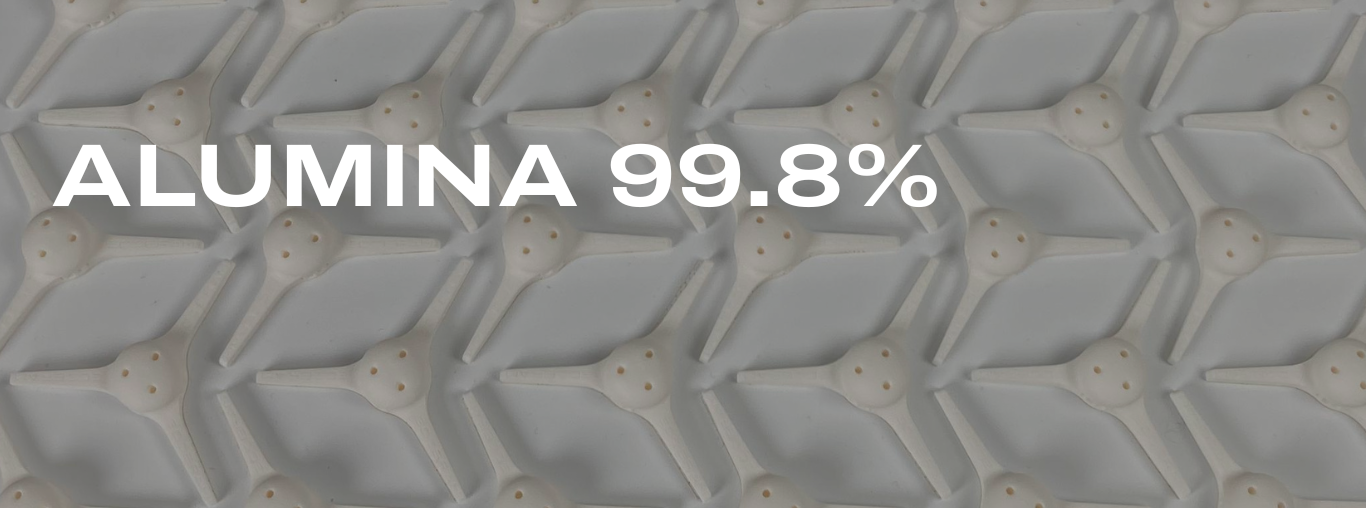
Alumina 99.8%
+

Al₂O₃ 99.8%, basic material being useful in many applications for technical ceramics, good mechanical behavior in the high temperatures, the good thermal conductivity, the big electric resistivity, the great hardness, the good wear resistance, the chemical slowness.

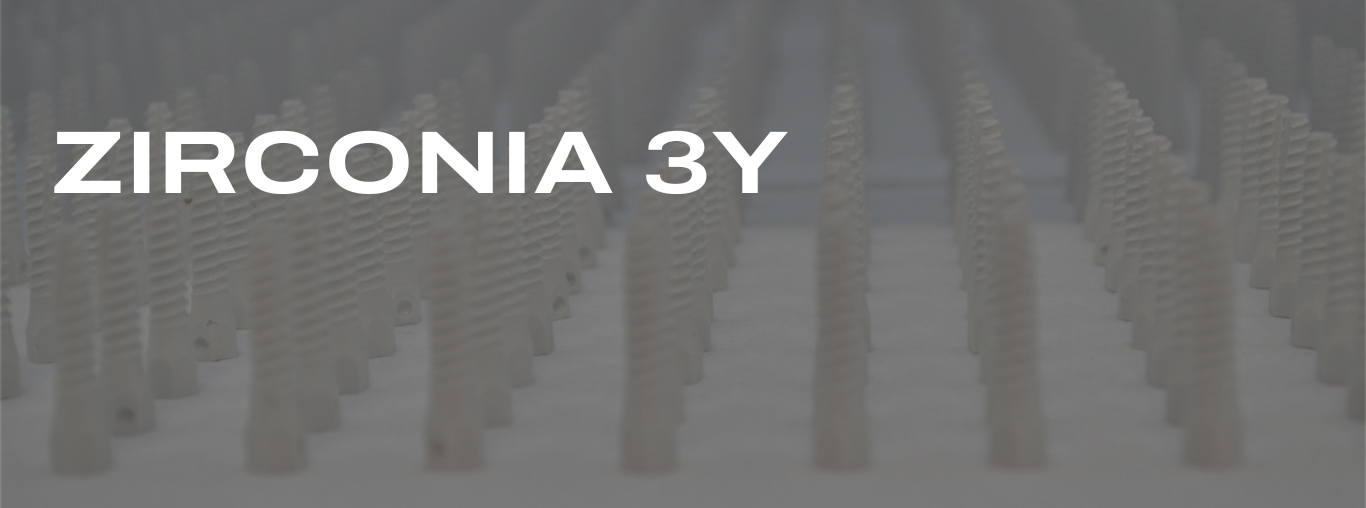
Zirconia 3Y
+

ZrO₂, material with excellent mechanical properties at room and high temperatures, great hardness, good wear resistance and good chemical inertness.

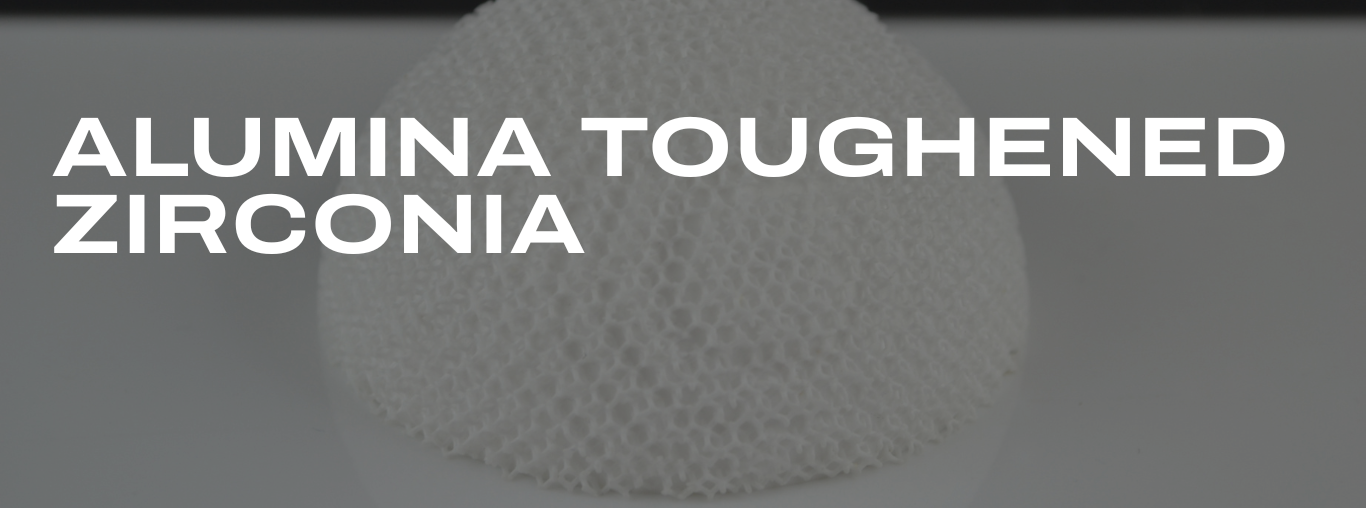
Alumina Toughened Zirconia
+

Alumina Toughened Zirconia, known for their biocompatibility and their resistance to wear and thermal shock, are recommended for biomedical and industry applications. The ceramic ATZ combines both Alumina (20%) and Zirconia (80%) ceramics in one. The mix of these two combined offers several properties.

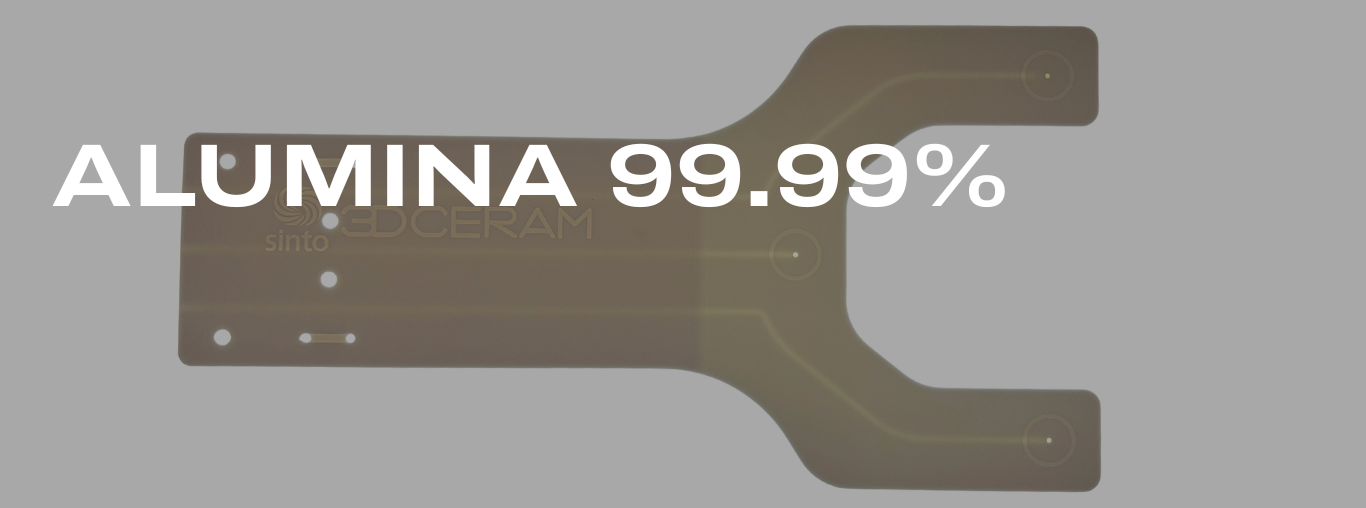
Alumina 99.99%
+

High purity Alumina for challenging applications.

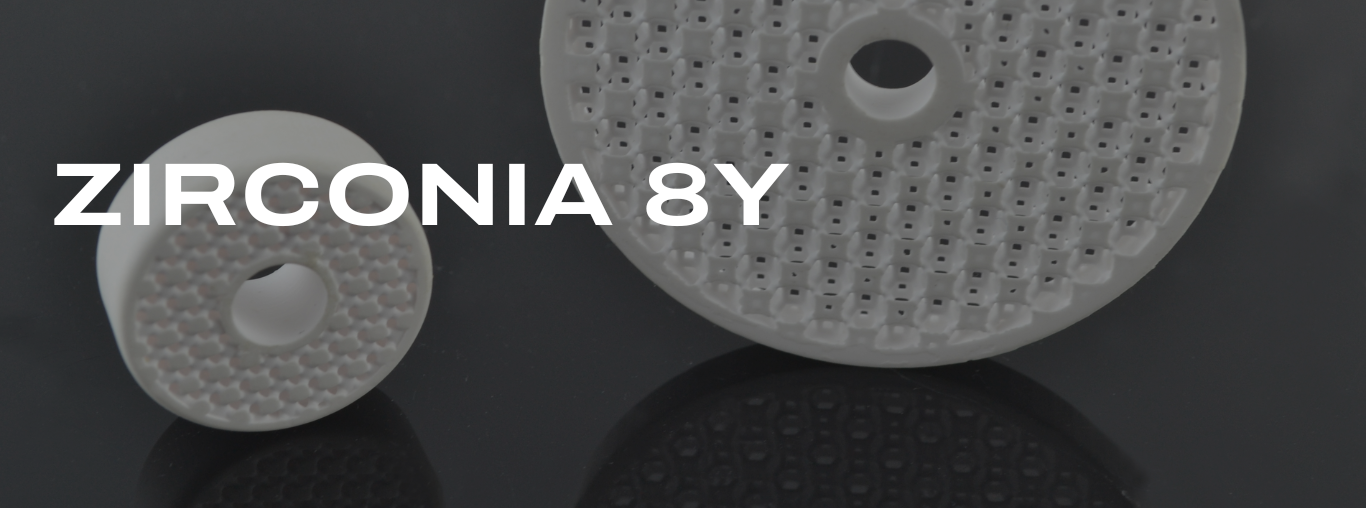
Zirconia 8Y
+

8 mol% yttria-stabilized zirconia is mainly used for fuel cell applications.

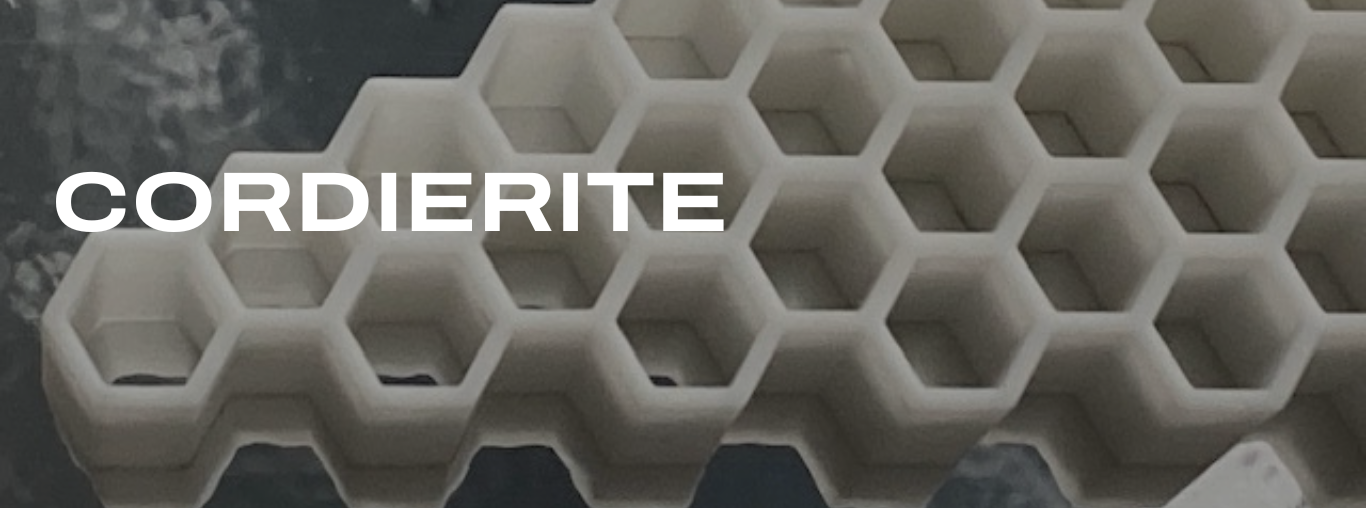
Cordierite
+

The cordierite is a magnesium alumina silicate material with low CTE, low thermal conductivity, wear resistant that makes it good for vacuum application.

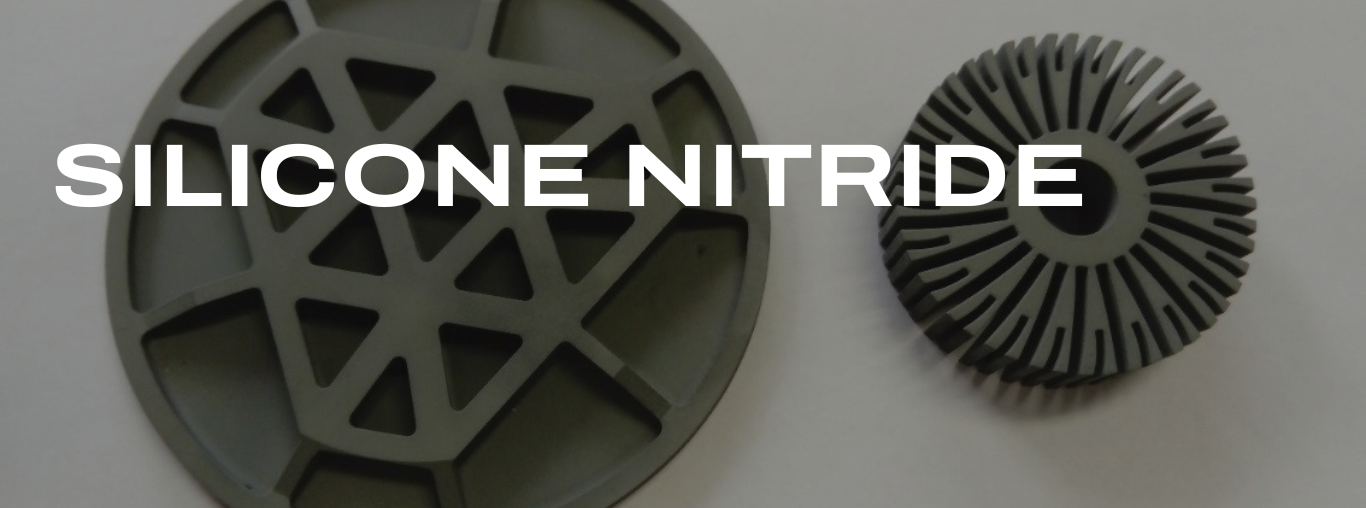
Silicon nitride
+

The Silicon Nitride is among the hardest and most resistant technical ceramics. It has also a high resistance to thermal shocks, to wear and corrosion (liquid and gas).

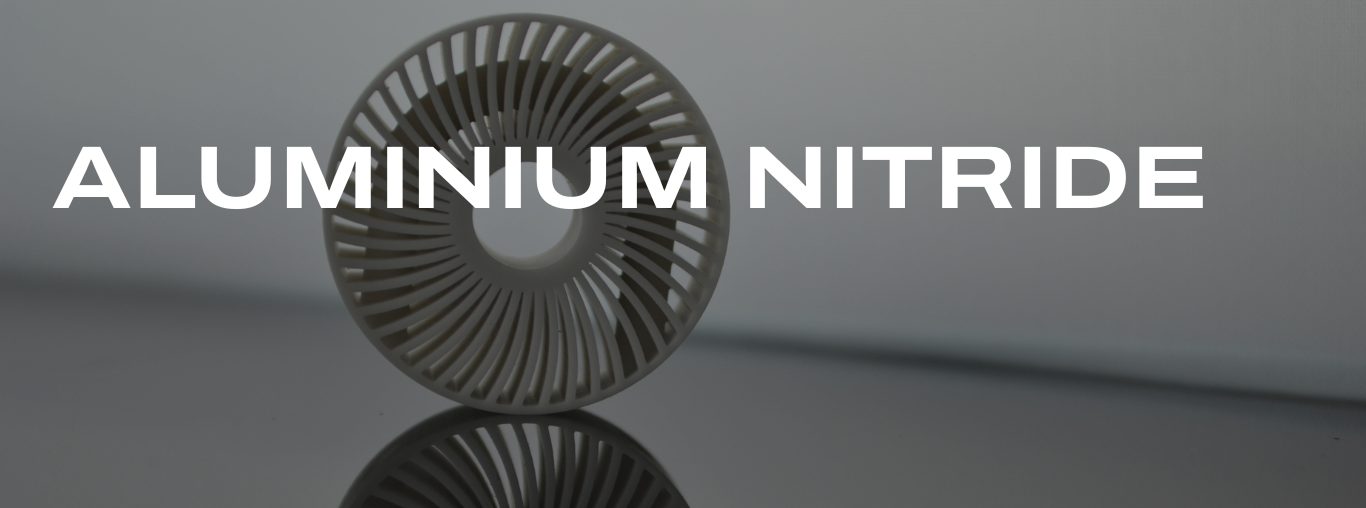
Aluminium Nitride
+

The high mechanical properties of this ceramic, combined with high thermal conductivity and electrical insulation, are highly recommended in electronics industry.

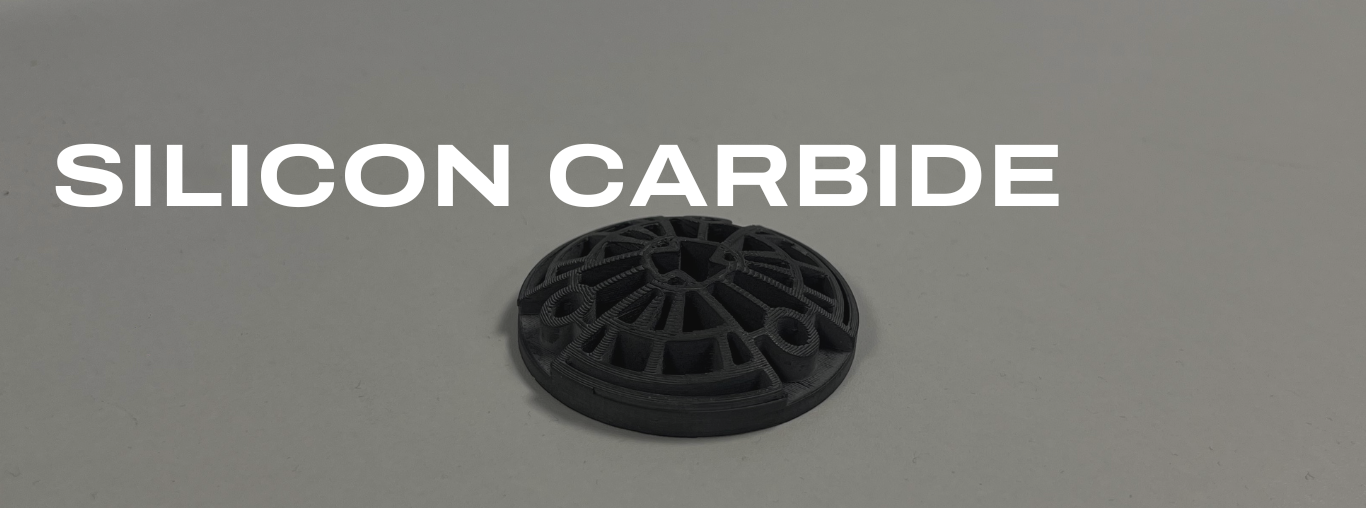
Silicon Carbide
+

Silicon Carbide (SiC) is a high-performance semiconductor and structural ceramic renowned for its extreme hardness, lightweight nature, and remarkable thermal shock resistance.

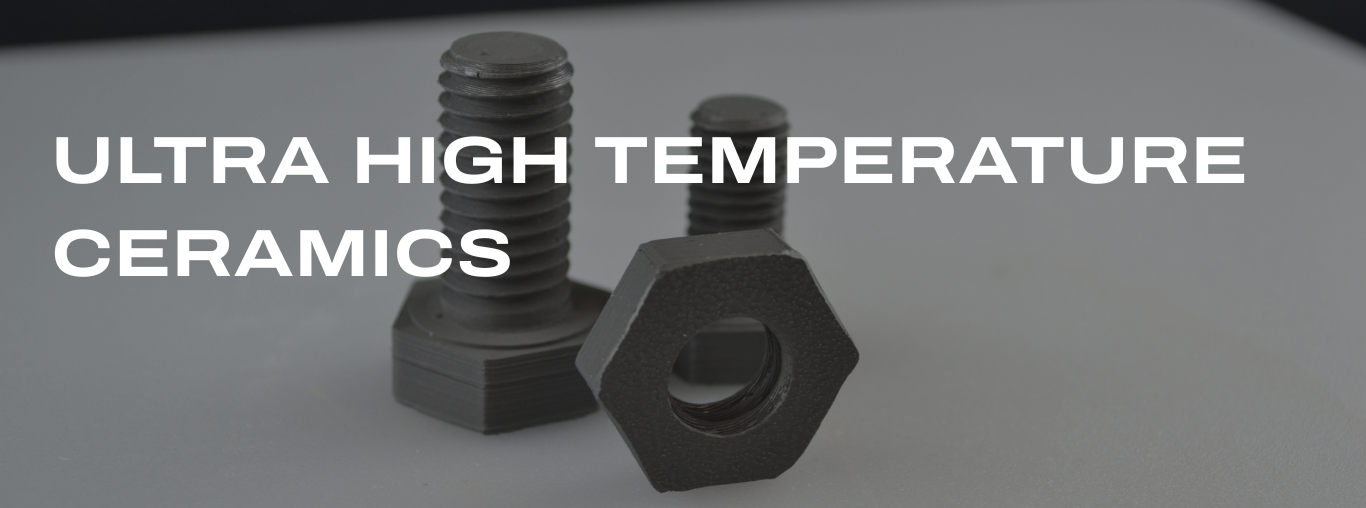
Ultra High Temperature Ceramics
+

Ultra-high temperature ceramics (UHTCs) are a class of refractory ceramics that offer excellent stability at temperatures exceeding 2000°C.

MORE MATERIALS ON DEMAND

Material Density (g/cm³) CTE (ppm/K) Bending Strength (MPa) Fracture Toughness (MPa·m½) Thermal Cond. (W/m·K) Rel. Permittivity ε_r Dielectric Strength (kV/mm) Chemical Inertness High-Temp Res.
Alumina (Al₂O₃ 99.8%) 3.9 7–8 300–400 3–4 20–30 9–10 12–15 ★★★ ~1600°C
Zirconia 3Y-TZP 6.0 10–11 900–1200 7–10 2–3 25–30 8–12 ★★☆ 1000–1200°C
Zirconia 8Y-FS 5.9 9–10 200–300 1–2 2–3 20–22 8–12 ★★☆ up to 2400°C
ATZ (Al₂O₃–ZrO₂) 4.1–4.3 8–9 500–900 4–6 15–25 12–15 10–12 ★★★ 1400–1500°C
SiC 3.1 4–5 350–500 3–4 80–200 9–10 10–12 ★★★ >1600°C
Si₃N₄ 3.2 3–4 700–1000 6–10 20–30 7–8 10–13 ★★★ 1200–1400°C
AlN 3.3 4–6 250–350 2–3 140–180 8–9 12–15 ★★★ ~800–1000°C
Cordierite 2.5–2.6 0–2 80–120 1–1.5 3–5 5–6 8–10 ★★★ 1100–1200°C

Information for guidance purposes only and non-contractual.
Get in Touch with
our Team